Premium Aluminium Door Systems for Extensions
Sliding Doors or Traditional Doors: Which Type Is Right for You?
Deciding among sliding doors and traditional doors involves multiple factors. Each option offers distinct benefits and drawbacks that can profoundly impact a home's performance and visual appearance. Space constraints, energy efficiency, and security are several factors to weigh. Recognizing these elements will help clarify which door type corresponds best with individual requirements. What might be the best choice for your home? The answer varies based on personal circumstances and tastes.

Finding the Correct Alternative: Key Considerations to Weigh for Your Home
When choosing between sliding doors and traditional doors, what key factors should property owners consider? Space accessibility is crucial; sliding doors need less clearance, making them suitable for tighter areas. Conversely, traditional doors need room to swing open, which can restrict placement options. Aesthetic preferences also play a significant role, as sliding doors offer a modern look while traditional doors can inspire classic charm.
Energy efficiency is yet another consideration. Sliding doors frequently incorporate large glass panels that may diminish insulation quality, while traditional doors can render better thermal performance if properly sealed. Security concerns are critical; traditional doors typically have robust locking mechanisms, whereas sliding doors may demand additional reinforcement.
In addition, maintenance demands fluctuate; sliding doors may demand more maintenance due to seal mechanisms get started and tracks. Ultimately, assessing these factors helps homeowners make an thoughtful choice that suits their particular circumstances and way of living.
Why Prefer Sliding Doors?
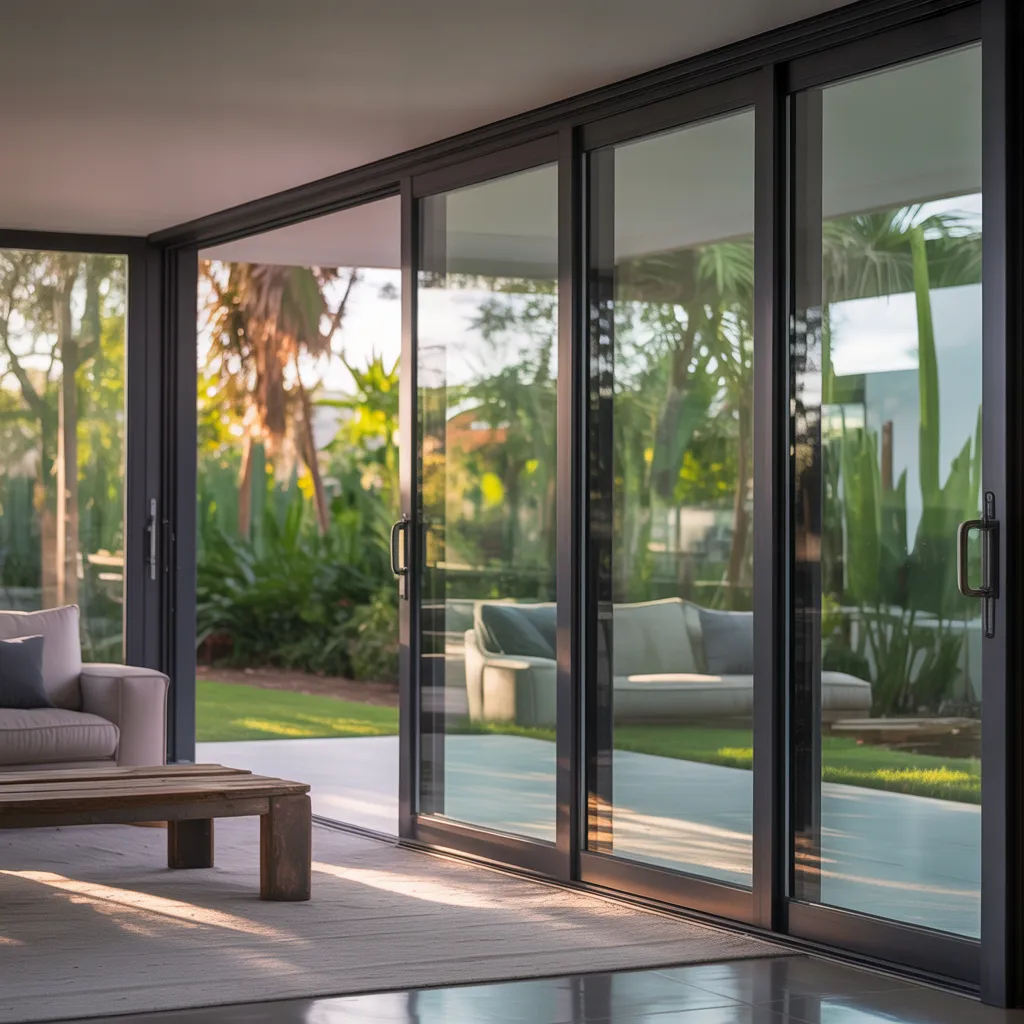
Sliding doors offer notable benefits for property owners looking for efficiency and visual appeal. Their space-saving design enables for smooth shifts between interior and exterior areas, increasing usable space. Additionally, the large glass panels improve natural light, producing a brighter and more welcoming atmosphere.
Space-Saving Advantages
Many residents seek effective solutions for maximizing space, and sliding doors offer a convincing option to traditional doors. Unlike conventional doors that open by swinging, sliding doors operate on a track, removing the need for clearance space. This feature makes them particularly beneficial in smaller rooms or tight hallways where every inch counts. Moreover, sliding doors can smoothly integrate into existing layouts, allowing for more flexible furniture arrangements. Their design also facilitates easy access to outdoor areas, enhancing utility without consuming additional interior space. Additionally, sliding doors can create a more open feel, leading to a less cluttered environment. Overall, the space-saving benefits of sliding doors make them an attractive option for those looking to optimize their living areas.
Boosted Natural Light
The structural approach of sliding doors not only enlarges space but also boosts natural light in a home. Unlike traditional doors, which swing open and can impede light flow, sliding doors offer expansive glass panels that invite sunlight to flood interior spaces. This feature creates a luminous atmosphere, making rooms appear larger and more inviting. Additionally, the seamless shift between indoor and outdoor areas allows homeowners to enjoy unobstructed views, further enhancing the feeling of openness. By incorporating sliding doors, individuals can reduce reliance on artificial lighting during the day, promoting a more eco-friendly environment. Ultimately, the integration of sliding doors can greatly transform a home, making it a more vibrant and welcoming space filled with natural light.
The Eternal Magnetism of Established Doors
While current aesthetic directions often pivot to innovative solutions, period doors copyright an everlasting allure that rings true across generations. Characterized by their expert construction and vintage appeal, these doors evoke a sense of nostalgia and warmth that captivates many homeowners. Often created from solid wood, traditional doors provide a robust and timeless look, boosting the character of any space.
Their intricate designs, such as raised panels and ornamental accents, offer a deep aesthetic quality that complements various architectural styles, from colonial to contemporary. Traditional doors also signify a sense of stability, making them a preferred choice for those attempting to produce an welcoming setting.
Furthermore, their flexibility allows for customization, permitting homeowners to pick materials and fixtures that showcase personal style. In an era of rapid change, the appeal of traditional doors remains constant, presenting a classic elegance that continues to engage.
Assessing Thermal Performance in Sliding versus Traditional Doors?
Energy efficiency constitutes a vital aspect in the selection between sliding and traditional doors. Sliding doors often showcase large glass panels that can improve natural light but may compromise insulation if not properly sealed. These doors generally utilize weather stripping to reduce air leakage, yet the expansive surface area can lead to increased heat loss or gain, depending on the season.
In contrast, conventional entry doors, particularly wood or fiberglass alternatives, generally provide superior insulation. Their compact dimensions and reduced joints contribute to reduced air infiltration, making them a preferred option for environmentally aware property owners. Furthermore, conventional doors can be equipped with high-performance glass alternatives, further improving their thermal performance.
Ultimately, the decision copyrights on individual priorities—while glass sliding doors offer aesthetic appeal and expansive views, standard doors may deliver superior energy conservation and thermal protection, rendering them a sensible option in different climate zones.
How Much Will Sliding and Traditional Doors Cost You?
The cost of sliding and traditional doors can differ significantly based on material selection and installation requirements. While installation costs may differ due to complexity of design, the average expenses for materials also are crucial in overall pricing. Understanding these factors is essential for making an informed decision.
Deployment Charges Comparison
When reviewing installation charges, sliding doors commonly present a more high-priced option compared to traditional doors. The difficulty of their installation, which might need specialized tracks and structural adjustments, leads to increased labor costs. Moreover, the requirement for professional installation is more typical with sliding doors given their mass and size. On the other hand, traditional doors generally have simpler installation methods, making them more affordable. Homeowners may also account for the potential necessity for additional framing or reinforcement when installing sliding doors, further adding to total expenses. Ultimately, although sliding doors might provide aesthetic value, their installation costs can be a significant factor for budget-conscious homeowners deciding between the two options.
Typical Material Outlays
Setup costs are only one factor of the overall expense when examining sliding versus traditional doors. The material expenses for these door types can change substantially. Traditional doors, typically made from wood, fiberglass, or steel, generally range from $200 to $1,500, depending on the material and design complexity. In contrast, sliding doors, often constructed from glass or aluminum, usually start around $300 and can exceed $2,000 for high-end models. The choice of materials not only affects initial costs but also long-term maintenance. For instance, while wooden doors may require periodic refinishing, sliding glass doors often necessitate routine cleaning to maintain visibility. Ultimately, understanding material expenses is important for making an informed decision between the two door types.
Preserving Your Asset: Sliding Versus Traditional Doors
The upkeep of sliding and traditional doors requires distinct approaches, because each model offers specific issues and advantages. Sliding doors often depend on tracks and rollers, thus needing regular cleaning to prevent debris buildup that can obstruct movement. It is also essential to lubricate the tracks periodically to guarantee smooth operation. Moreover, the seals surrounding sliding doors must be examined regularly to avoid air leaks and water intrusion.
In contrast, traditional entrances mainly need attention to copyrights and frames. Routine inspections for wear or rust on copyrights are essential, as well as making sure that the door aligns properly within the frame. Finishing or coating wooden doors can help protect against weather damage. Both door types gain from regular check-ups and maintenance schedules, enabling owners to prolong their life and maintain aesthetic appeal. Ultimately, grasping these upkeep requirements is essential for maintaining the performance and look of either door style.
How Secure Are Sliding and Traditional Doors?
Although both traditional and sliding doors act as entry points to a home, their security features differ markedly. Traditional doors typically contain a solid frame and a deadbolt lock, providing robust protection against forced entry. The use of resilient materials like wood or metal further strengthens their security, making them a favored selection for homeowners emphasizing safety.
In comparison, sliding doors often feature glass panels, which can be easier to intrusions. While many contemporary sliding doors incorporate multi-point locking systems, they may still be at risk if not properly secured. Additionally, the tracks on which they slide can be a vulnerable area, allowing intruders to raise the door off its track.
Ultimately, the choice between traditional and sliding doors depends on personal security needs. Homeowners are encouraged to assess their particular circumstances and think about additional security measures, including alarm systems and reinforced locks, to enhance general security.
Commonly Asked Inquiries
Can Glass Sliding Doors Be Added in Small Spaces?
Yes, sliding doors can be placed in small spaces. Their structure enables efficient use of limited areas, as they do not require swing clearance, rendering them an ideal choice for compact environments and maximizing functional space.
What Types Are Provided for Classic Doors?
Traditional doors exist in diverse styles, such as panel, French, bi-fold, and barn doors. Each design demonstrates distinctive character and practical value, catering to varied aesthetic preferences and architectural preferences in residential and commercial spaces.
Are Patio Doors Secure for Pets?
Sliding doors can create hazards for pets, especially if they are not designed with reliable safety locks. Owners should ensure correct setup and think about additions like tempered glass to improve protection for their pets.
What's the Best Way to Pick Door Hardware for My Doors?
When choosing door hardware, consider style, usefulness, and security. Check compatibility with the door type, pick options that match decor, and guarantee ease of use. In conclusion, emphasize durability for sustained performance and security.
Can I adjust the dimensions of Sliding Doors?
Yes, sliding glass systems can be customized in size to fit designated areas. Many builders supply tailored solutions, allowing for refinements in height and width to fulfill varying structural requirements and specifications, ensuring a exact fit.